



Athlete's Foot — Causes, Symptoms and Solutions
Fast, friendly pharmacy advice and effective over-the-counter treatments for athlete's foot. Learn how to recognise symptoms, treat infections, and prevent recurrence.
Understand the basics
How Athlete's Foot Develops and Spreads
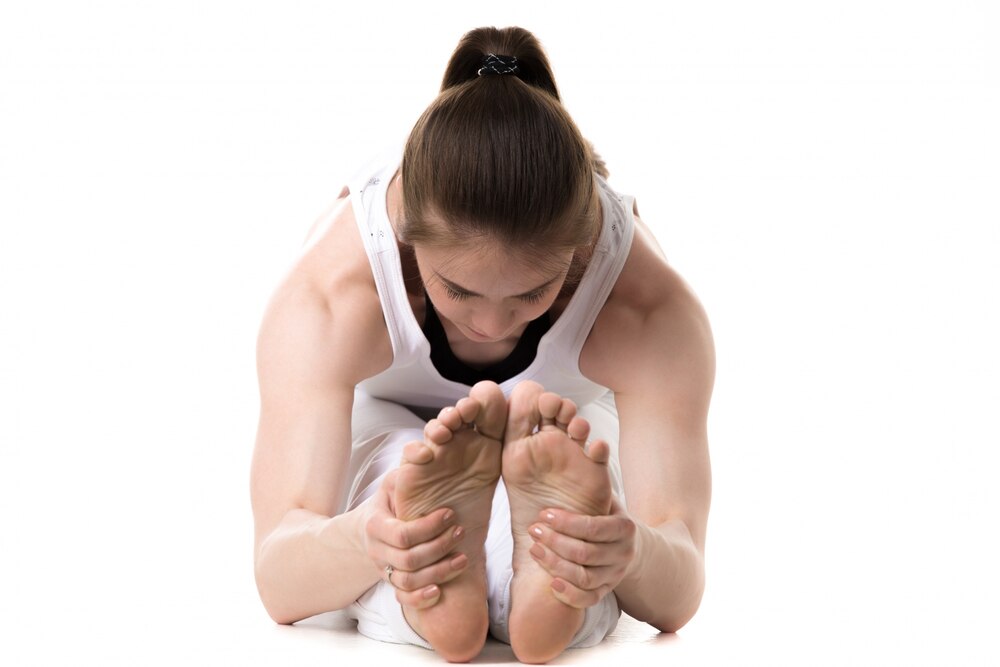
Athlete's foot (tinea pedis) is a common fungal infection affecting the skin of the feet, often between the toes. It causes itching, flaking, redness and sometimes blistering. The fungus thrives in warm, moist environments such as sweaty socks and communal showers. Treatment usually starts with topical antifungal creams, sprays or powders applied regularly for the recommended course. Good foot hygiene, keeping feet dry, changing socks daily and choosing breathable footwear all help speed recovery and reduce the risk of reinfection. If symptoms persist or worsen, seek pharmacy or medical advice promptly.
Practical steps and pharmacy support
When to See Pharmacy or a Doctor
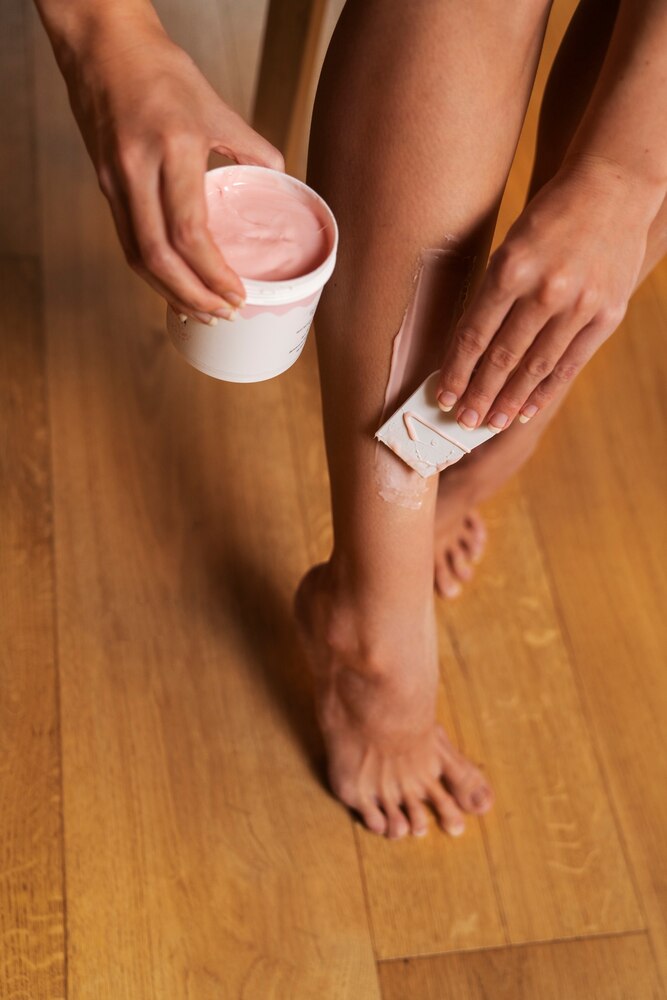
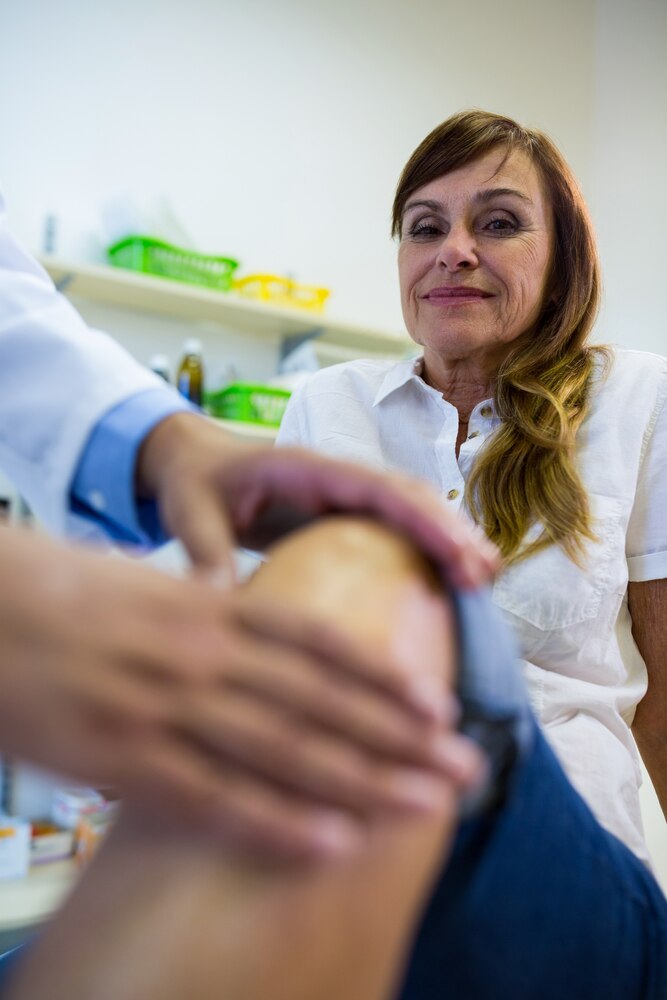
Your local pharmacy can recommend the right over-the-counter antifungal product and advise on correct application. For mild to moderate cases, topical treatments are usually effective within a few weeks if used as directed. For severe, recurrent, or spreading infections, oral antifungal medications may be necessary and require medical assessment. Pharmacists can also advise on symptom relief for itching and cracked skin, suggest shoe and sock changes to reduce moisture, and provide guidance on preventing reinfection. If you have diabetes, poor circulation, or an immune condition, seek medical review sooner as complications are more likely.
Use antifungal cream regularly
Complete the full treatment course
Keep feet clean and dry
Avoid sharing footwear and towels
Over-the-counter options
Creams, sprays and powders available with pharmacist advice.
Pharmacist guidance
Quick consultations on product choice and application tips.
Prevention tips
Simple measures to stop fungi returning to your feet.
Daily habits that help
Home Care and Hygiene Tips
Simple daily routines can make a big difference in both treating and preventing athlete's foot. Wash feet daily with soap and water, dry thoroughly—especially between the toes—and rotate shoes to allow them to dry. Choose cotton or moisture-wicking socks and change them after exercise. Use antifungal powder inside shoes if needed and avoid walking barefoot in public changing rooms or pool areas. If you're prone to recurrent infections, consider replacing old footwear or using breathable alternatives. If blisters, severe pain, or spreading rash occur, get professional advice without delay.
Quick reassurance
Effective, Accessible Treatment
Most athlete's foot infections respond well to over-the-counter treatments and improved foot care. Pharmacists can offer product recommendations and usage guidance. Early treatment reduces spread and speeds recovery.
Key Symptoms to Watch For
Recognising common signs helps you start treatment early. Typical symptoms include persistent itching, flaky or cracked skin most often between the toes, and sometimes painful blisters or raw patches. If the infection spreads to toenails, it can cause thickening and discolouration that are harder to treat. Secondary bacterial infections can develop if the skin is broken, producing increased redness, swelling or pus. People with diabetes or circulatory problems should get a clinical assessment early. Prompt attention and consistent use of antifungal measures usually resolve uncomplicated cases.
Itching and peeling between toes
Redness or cracking skin
Blisters or sore patches
Spreading to nails or hands
Frequently Asked Questions
Common concerns and clear answers from the pharmacy team.
How long does treatment take?
Most topical treatments work within 2–4 weeks, but continue for the full course to avoid recurrence.
Can I use the same cream for my feet and groin?
Use products as directed; some creams are suitable for different areas but check with your pharmacist first.
When should I see a doctor?
See a doctor if infection is severe, widespread, affects nails, or you have diabetes or a weakened immune system.
Will my shoes spread the infection?
Yes—fungus can remain in shoes; use antifungal powder and allow shoes to dry fully.
Are oral antifungals safe?
Oral treatments are effective for stubborn cases but need medical review due to possible side effects.