



Haemorrhoids: What You Need To Know
Clear, practical advice on symptoms, self-care, and treatments available at your local pharmacy.
Simple steps and treatments you can access now.
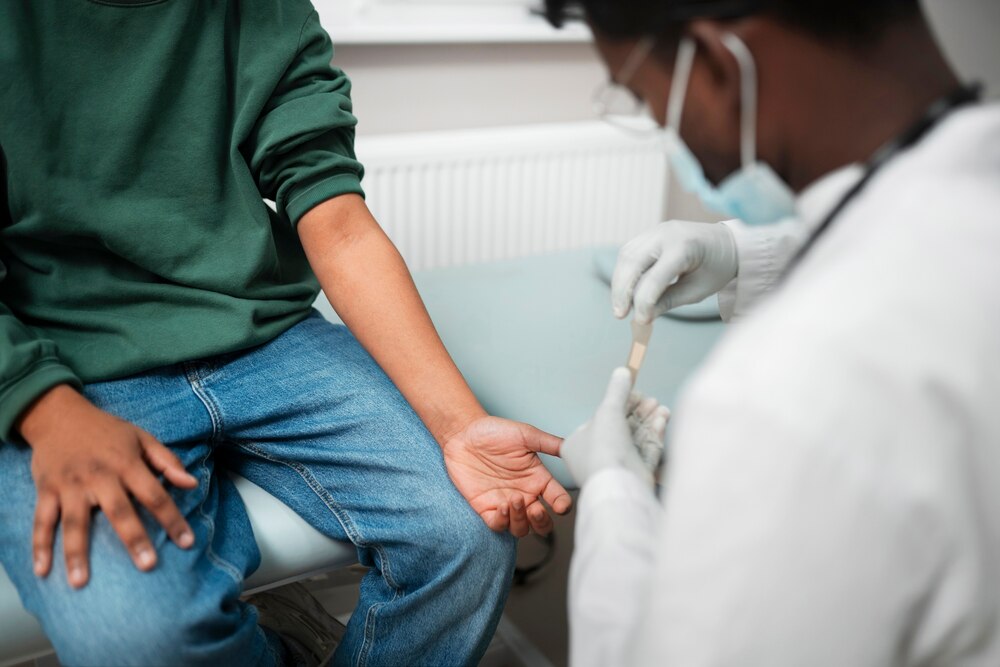
Treatment Options and When To Seek Help
Many haemorrhoids respond well to pharmacy care and self-care. Over-the-counter topical creams, ointments, and suppositories can reduce itching and discomfort. Oral pain relief and stool softeners ease bowel movements and reduce strain. Warm sitz baths several times a day soothe symptoms and improve healing. If bleeding is heavy, symptoms persist despite treatment, or you notice a prolapsed haemorrhoid that doesn't reduce, seek medical assessment. Pharmacists can advise on product choice and when to see a GP or specialist for further interventions such as rubber band ligation or surgical options.
Topical relief available
Pharmacist can advise
Lifestyle changes help
See GP for severe bleeding
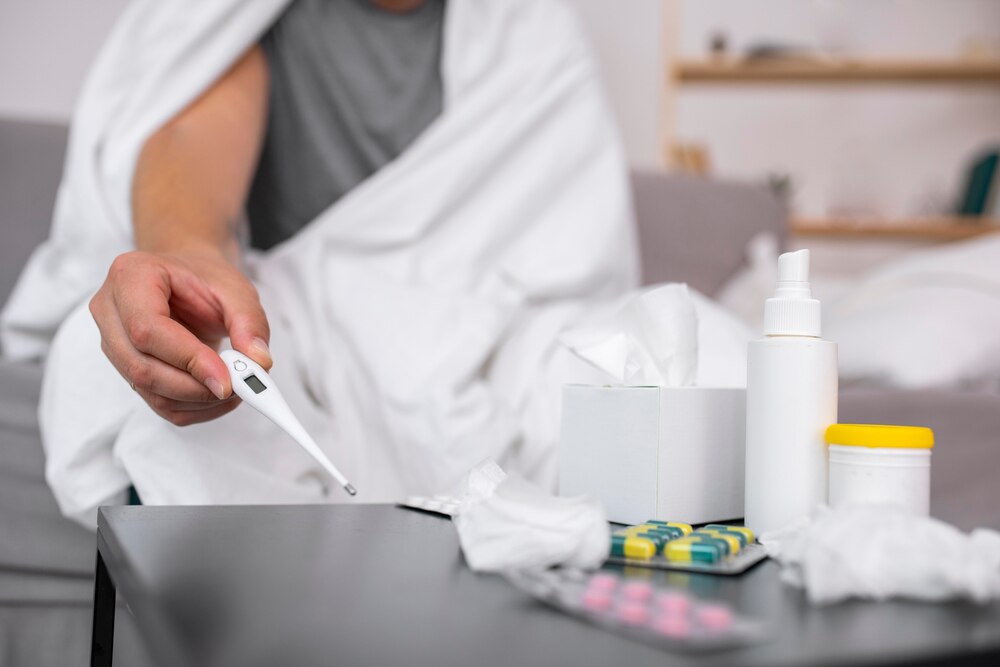
Everyday measures to relieve symptoms and prevent recurrence.
Self-Care and Prevention
Preventing haemorrhoids often focuses on reducing straining during bowel movements. Drink plenty of fluids, eat a fibre-rich diet with fruit, vegetables, and whole grains, and consider a bulk-forming laxative if needed. Regular exercise and avoiding long periods of sitting help circulation. When symptoms occur, warm sitz baths, gentle wiping, and topical barrier creams can ease discomfort. Avoid heavy lifting and straining. Small, consistent lifestyle changes typically reduce episodes and speed recovery, but if symptoms worsen or bleeding continues, professional assessment is recommended.

Symptoms
Bleeding, itching, pain, or swelling
Pharmacy Care
Topicals, suppositories, stool softeners
Medical Referral
Persistent bleeding or severe pain
When to consult a healthcare professional
Seek Medical Advice If...
If you experience heavy or recurrent rectal bleeding, a noticeable lump that won’t reduce, severe pain, changes in bowel habits, or if symptoms persist despite home treatment, see your GP. These signs may need further investigation to rule out other conditions and to discuss treatments beyond pharmacy care.
Talk to your pharmacist for immediate advice.
Pharmacist Support
Pharmacists can assess symptom severity, recommend suitable over-the-counter treatments, and advise on safe combinations with other medicines. They can suggest stool softeners or fibre supplements and show how to use topical products effectively. Pharmacists will also advise when symptoms require GP referral. This quick, confidential support is often the first step to effective relief and preventing escalation.

Key Points
Haemorrhoids are swollen veins around the anus or lower rectum that commonly cause pain, bleeding, and itching. Mild cases respond well to self-care: warm baths, topical emollients, and dietary changes including more fibre and fluids. Over-the-counter options such as ointments and suppositories reduce inflammation and discomfort. Seek professional advice if bleeding is heavy, symptoms persist, or you experience severe pain or a prolapsed haemorrhoid. Early intervention and simple lifestyle adjustments often lead to relief and reduce the risk of recurrence.
Bleeding warrants prompt attention
Topical creams ease symptoms
Increase fibre and fluids
Pharmacist can advise treatment
Frequently Asked Questions
Answers to common questions about haemorrhoids, treatments, and when to see a healthcare professional.
What causes haemorrhoids?
Haemorrhoids are caused by increased pressure in pelvic veins from straining, constipation, pregnancy, or prolonged sitting.
Can pharmacy products cure haemorrhoids?
Pharmacy products relieve symptoms but may not cure severe or prolapsed haemorrhoids; lifestyle changes and medical review help long-term.
When should I see a GP?
See a GP for heavy bleeding, persistent pain, or if a lump won’t reduce or symptoms don’t improve with treatment.
Are there home remedies that help?
Warm sitz baths, high-fibre diet, hydration, and avoiding straining often reduce symptoms and support healing.
Are haemorrhoids serious?
Most are not serious and respond to treatment, but ongoing bleeding or severe pain requires medical evaluation.